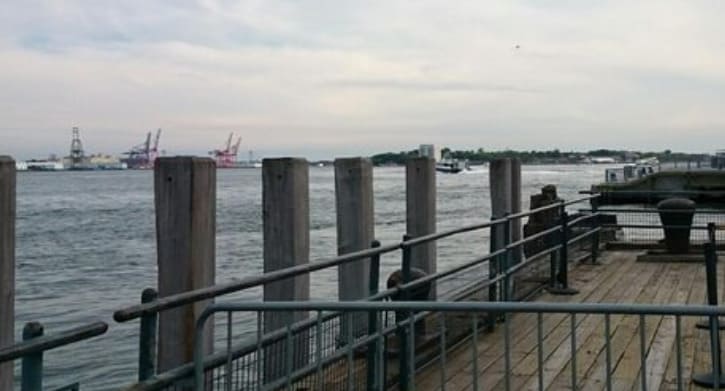
The goal of waterfront development has always involved a balance: creating structures that improve human access to water, while also preserving the eco-systems that make these spaces so special. Sustainability in marine construction is no longer a trend, but a necessity. Dock builders and waterfront property owner are both rethinking how docks are built and maintained in order to reduce the environmental impact.
Explore how sustainable practices can help build docks which last longer, and also protect the environment.
1. Choose Eco-Friendly Material
Using environmentally friendly materials is a major step towards sustainable marine construction. Wood docks are often made from pressure-treated wood, which contains chemicals that can leach into water and harm marine wildlife. There are now more environmentally-conscious options available.
Composite decking, made of recycled plastics and wood fibres, is a popular option because it is durable, long lasting, resistant to insects and rot, without releasing harmful substances in the water. Aluminum framing, which is recyclable and resistant to corrosion, is also an environmentally friendly choice.
By choosing materials that are durable and need fewer replacements over time, dock builders can reduce waste as well as the environmental impact of their dock.
2. Designing for Durability & Efficiency
It’s not just about using green materials, but also designing a dock for long-term use. Docks that are poorly constructed or have a short lifespan will eventually need to be repaired or replaced, increasing waste and disturbing aquatic habitats.
Engineers are now focusing on designing docks to adapt to changing environmental conditions such as storms and changing water levels. For example, floating docks can adjust to changes in water levels, reducing stress and preventing damage.
Water flow is also important in the design process. By allowing natural currents beneath the structure, erosion and sediment accumulation are minimized. This helps to maintain a stable ecosystem. Building docks with resilience in mind will last decades and reduce maintenance-related environmental impact.
3. Minimizing Habitat Disruption
Dock installations affect the habitat around them to a certain degree. However, sustainable practices can reduce this impact significantly. When building, it is important to minimize the use of heavy equipment in sensitive areas. This helps protect local plants and animals.
The seabed is less disturbed by using non-invasive anchoring methods, such as screw anchors and helical piles, than traditional methods. The builders also plan their projects around the spawning season or migration period of local marine species.
Similarly, docks that have an open or grate decking allow sunlight to pass, promoting the growth of aquatic vegetation beneath the structure. This simple design change can help maintain the health and vitality of aquatic ecosystems in nearshore or shallow environments.
4. Smart Technology and Renewable Energy
In addition to incorporating renewable sources of energy into dock systems, the shift towards sustainability includes an increase in the use of solar-powered lighting. Solar-powered lights, for example, can reduce electricity consumption, simplify wiring, and improve nighttime safety.
Modern docks are equipped with smart technology to monitor energy consumption, water quality and environmental conditions. These data help owners to maintain an efficient operation and make informed decisions that benefit their property as well as the habitat around it.
The marine industry has shown that innovation and sustainability can coexist.
5. Promote Responsible Maintenance
Sustainability does not end with construction. Regular maintenance is essential to extending a dock’s lifespan and protecting its surrounding environment.
By using biodegradable cleaners, checking for leaks and repairing damaged parts promptly, you can prevent pollutants from entering water. Regular inspections can also detect wear early, saving you from costly repairs later.
Final Thoughts
Sustainable marine construction doesn’t only mean protecting the environment. It’s also about creating structures that are more durable and work in harmony with the natural world. Every decision, from choosing eco-friendly material to designing adaptable piers and minimising habitat disruption, contributes to a healthier, cleaner waterfront.
Dock owners and builders who embrace sustainability can ensure the beauty and functionality marine environments will remain intact for future generations. It’s not only possible, but the future of waterfront living is to build docks that are built to last and protect nature.
This post was written by a professional at Supreme Marine Floating Docks. Supreme Marine Floating Docks is dedicated to providing top-quality floating dock services Palm Beach and marine accessories that combine durability, innovation, and superior performance. While we are a new brand, our team brings over 50 years of combined industry experience, making us a trusted name in the marine world. We are passionate about designing and delivering products that meet the highest standards, ensuring reliability and longevity in all marine environments. Whether for residential, commercial, or recreational use, our docks are crafted with precision and care, setting a new benchmark in the industry. At Supreme Marine, we don’t just build docks—we create lasting solutions.